If your car suddenly sounds like a monster truck—or you’re hearing strange rattling noises while driving—it might be time to check the muffler.
While it may seem like a big job, swapping a muffler doesn’t have to be scary or super time-consuming. In fact, it’s one of the quicker repairs you can get done on your vehicle.
In this blog, we’ll explain what a muffler is, why it’s important, and—most importantly—how long it actually takes to replace one.
This guide is perfect for beginners, curious car owners, and anyone thinking about doing the swap themselves or going to a mechanic.
🚗 What Is a Muffler and Why Does It Matter?
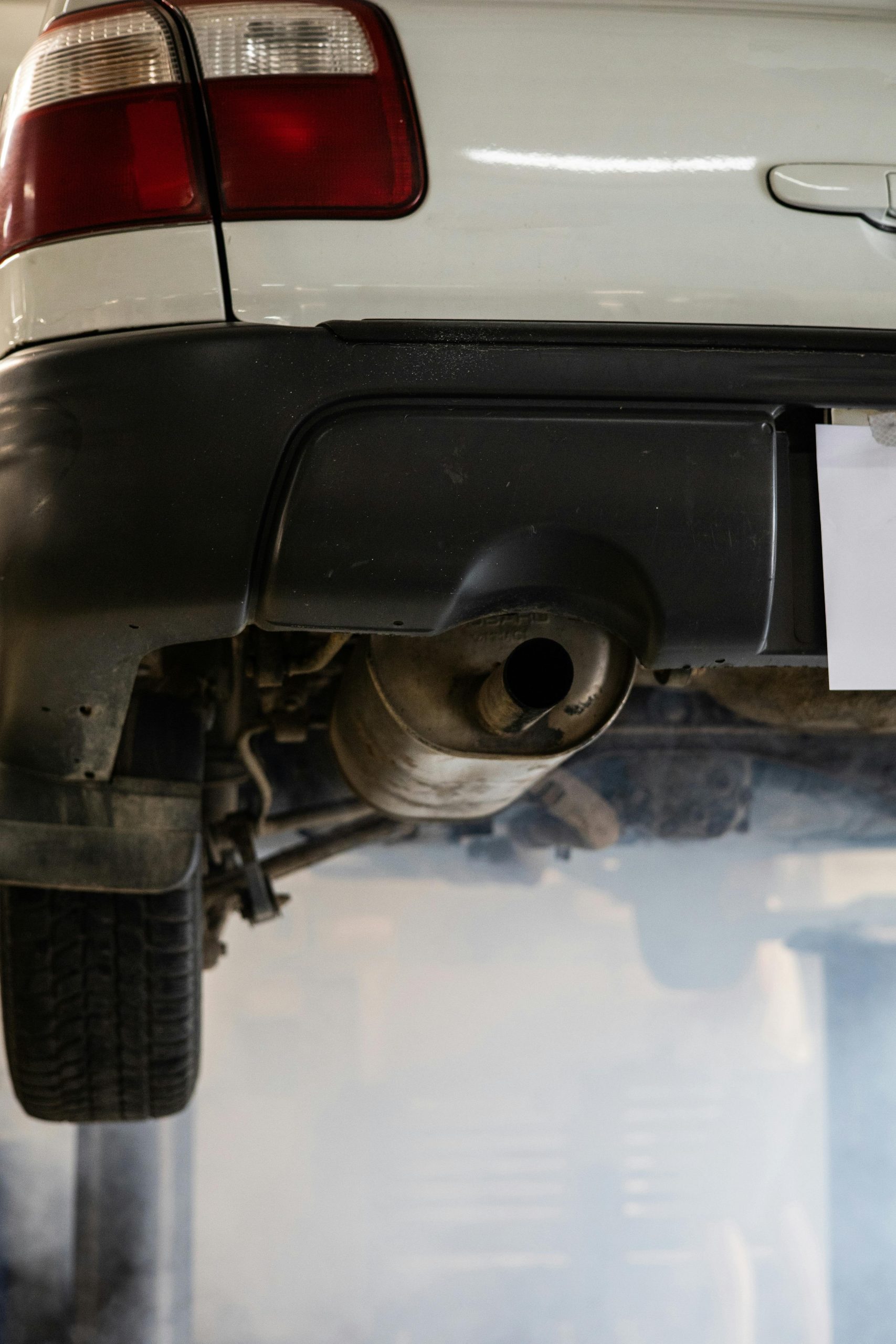
Your muffler is part of the exhaust system. Its job is to reduce engine noise and guide gases safely out of your vehicle. When the muffler works right, it keeps your car quiet, helps your engine run smoother, and reduces harmful emissions.
But over time, mufflers can wear out. They might rust, crack, or get clogged. When that happens, your car might get louder, start shaking, or even lose power.
Here are a few signs your muffler needs to be replaced:
- Loud rumbling or growling noise
- Rust or holes underneath your car
- Poor gas mileage
- Strong smells from exhaust fumes
- Failed emissions test
If any of these are happening, it’s time for a swap.
⏱️ So, How Long Does a Muffler Swap Actually Take?
Now, let’s get to the main question.
Most muffler replacements take about 30 minutes to 2 hours.
But this depends on a few factors:
- The type of car you have: Some cars have an easy setup. Others are more complex and take longer to work on.
- The condition of the old muffler: If it’s rusty or stuck, it can be harder to remove.
- Where you’re getting it done: A professional mechanic usually works faster than a first-time DIY job.
- The tools available: Auto shops have special tools that help speed up the process.
So while it can be a quick job, it’s smart to set aside extra time—just in case.
🔧 Step-by-Step: What Happens During a Muffler Swap?
Let’s walk through the full process so you know what to expect. These steps are the same whether you’re at a mechanic’s shop or doing it at home.
1. Inspection (5–10 minutes)
The first thing a mechanic or DIYer does is inspect the muffler. They check for visible damage, rust, or signs of wear. They’ll also look at the hangers (the parts that hold the muffler in place) and nearby pipes.
Sometimes, the muffler is the only problem. Other times, parts of the exhaust system may also need fixing or replacing.
2. Raising the Vehicle (5–10 minutes)
Next, the car needs to be lifted safely. Mechanics use a hoist or lift. At home, you can use a jack and jack stands. This step is important because it gives you room to work underneath the car.
Safety tip: Never crawl under a car that’s not properly supported.
3. Removing the Old Muffler (10–30 minutes)
Now the real work begins. The old muffler has to come off.
- If it’s in decent shape, it can be unbolted or unclamped easily.
- But if it’s rusty or fused to the exhaust pipe, it may need to be cut off with a saw or grinder.
This step can be quick or slow, depending on how stuck the muffler is. Rusted bolts are the main thing that slows people down here.
4. Installing the New Muffler (10–30 minutes)
Once the old muffler is out, the new one goes in. It’s usually attached with clamps, bolts, or welding (depending on the car and muffler type).
The installer makes sure everything lines up correctly and is sealed tight. A loose connection can cause leaks or noise.
5. Testing (5–10 minutes)
The final step is testing. The car is turned on to listen for any strange sounds. If everything is quiet and secure, the job is done! Sometimes, a short drive is done to make sure the muffler stays in place.
🧰 Shop vs. DIY: Which One Is Faster?
Let’s compare the two ways to replace a muffler: having a mechanic do it, or doing it yourself.
🚗 At a Repair Shop
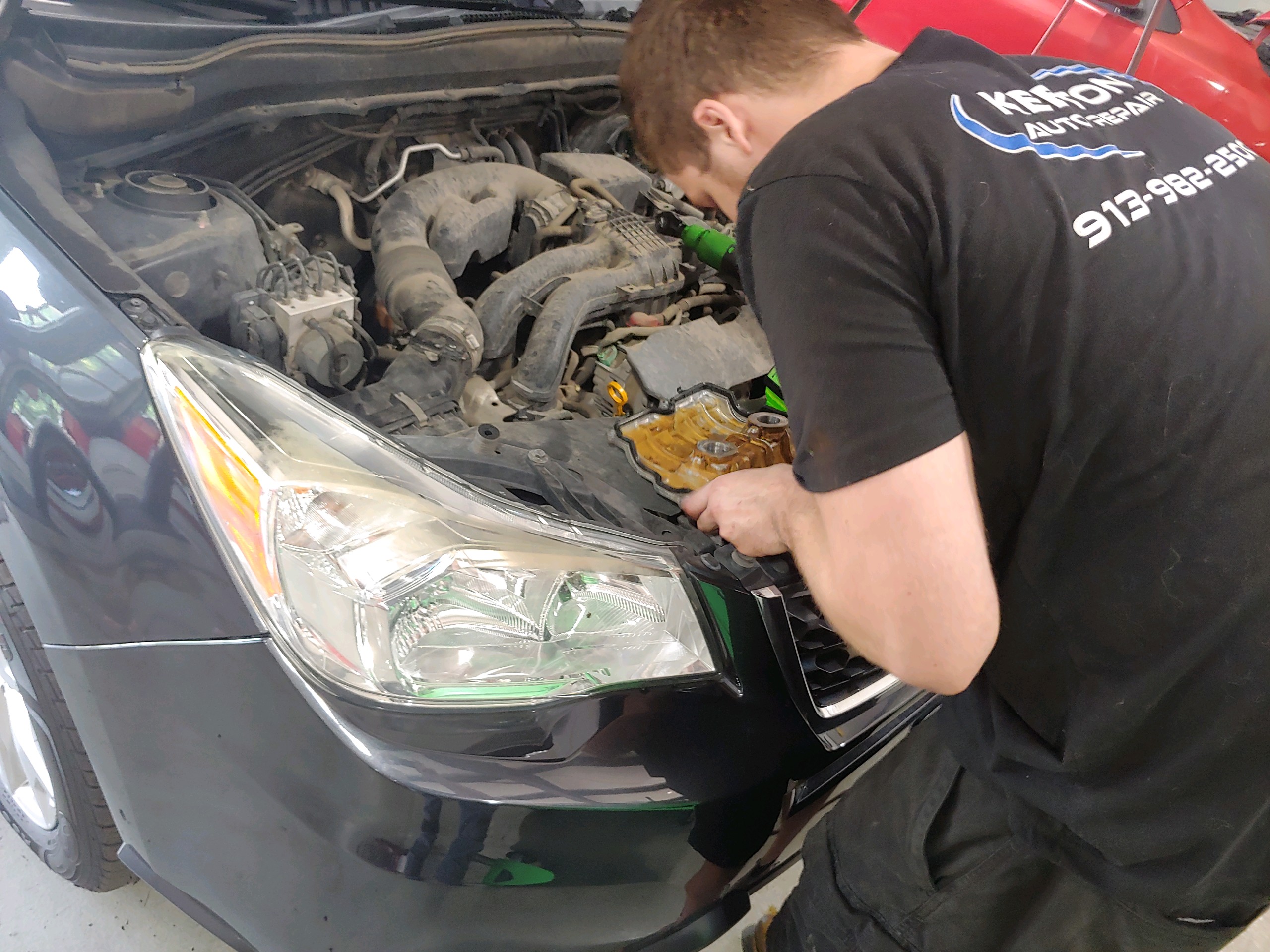
Most auto shops can complete a muffler replacement in 45 minutes to 1 hour.
They have:
- Special tools
- Experienced mechanics
- Lifts that speed things up
They’ve done this job hundreds of times, so it goes pretty smoothly.
🛠️ Doing It Yourself
If you’re handy and have some experience, a DIY muffler swap takes about 1.5 to 2 hours.
But for beginners, it might take longer.
Here’s what you’ll need:
- A new muffler that fits your car
- Wrenches or sockets
- A jack and jack stands
- Safety goggles and gloves
- Possibly a saw or grinder for rusted parts
Make sure to watch a video or read a guide specific to your vehicle before starting.
⚠️ What Can Slow the Process Down?
Even simple jobs can run into problems. Here’s what might make a muffler swap take longer:
- Rust and corrosion: Old cars often have rusted parts that are hard to remove.
- Wrong part: If the new muffler doesn’t fit, you’ll need to order the correct one.
- Broken hangers or clamps: These may need replacing too.
- No access to tools: Not having the right tools can add hours to the job.
- Custom exhaust systems: These may require extra time to adjust or weld.
That’s why it’s good to plan ahead and give yourself more time than you think you’ll need.
🕒 How Much Time Should You Set Aside?
Here’s a good rule of thumb:
- For a shop visit: Set aside 1 to 2 hours total. Even if the work only takes an hour, there might be a wait or quick inspection beforehand.
- For DIY: Block off an entire afternoon—especially if it’s your first time. It’s better to take your time and do it safely than to rush through it.
📊 Quick Recap Table
| Step | Time Estimate |
| Inspection | 5–10 minutes |
| Raising the Vehicle | 5–10 minutes |
| Removing Old Muffler | 10–30 minutes |
| Installing New Muffler | 10–30 minutes |
| Testing & Final Checks | 5–10 minutes |
| Total (at a Shop) | 45–60 minutes |
| Total (DIY at Home) | 1.5 to 2 hours |
✅ Final Thoughts
Swapping out a muffler is one of the faster car repairs you can do. In many cases, it takes under an hour at a repair shop.
If you’re doing it yourself, give yourself a little more time—but it’s still manageable in one afternoon.
Just make sure you have the right tools, the correct muffler for your car, and enough patience to deal with rusty bolts.
Whether you go to a pro or take the DIY route, knowing how long it takes helps you plan your day better—and gets you back on the road without all that noise!